

Table of Contents
I grew up in the capital of Vietnam, and there’s one question friends visiting from abroad ask me more than almost any other, right after “is it safe to bike here”: how do I even start to plan a trip to Vietnam? So let me answer that directly instead of dancing around it. Learning how to plan a trip to Vietnam comes down to five moving parts – timing, budget, route, paperwork, and how much you’re willing to leave unplanned. Get those five right, and everything else, the food, the chaos of the traffic, the small moments with strangers, tends to sort itself out.
I’ve helped enough friends and their families plan trips here over the years to notice a pattern: most people over-plan the wrong things and under-plan the ones that actually matter. This guide is my attempt to fix that, using what I’ve picked up from a decade of answering the same questions before people ever land.
Why How You Plan a Trip Changes Once You’re on the Ground Here
Vietnam doesn’t punish you for planning loosely, but it does punish you for planning rigidly. Trains sell out. Weather flips a coastal town from paradise to washout in a day. A “two-hour drive” on Google Maps can take four once you factor in a truck broken down on a mountain pass. So the way I plan a trip here is different from how I’d plan one in, say, Japan or Switzerland, where the trains run to the minute.
If you’re trying to figure out how to plan a trip that actually survives contact with reality, the trick is building a loose skeleton first, then filling in the flesh as you go. I’ll show you exactly how.
Step 1: Pick Your Dates Before Anything Else
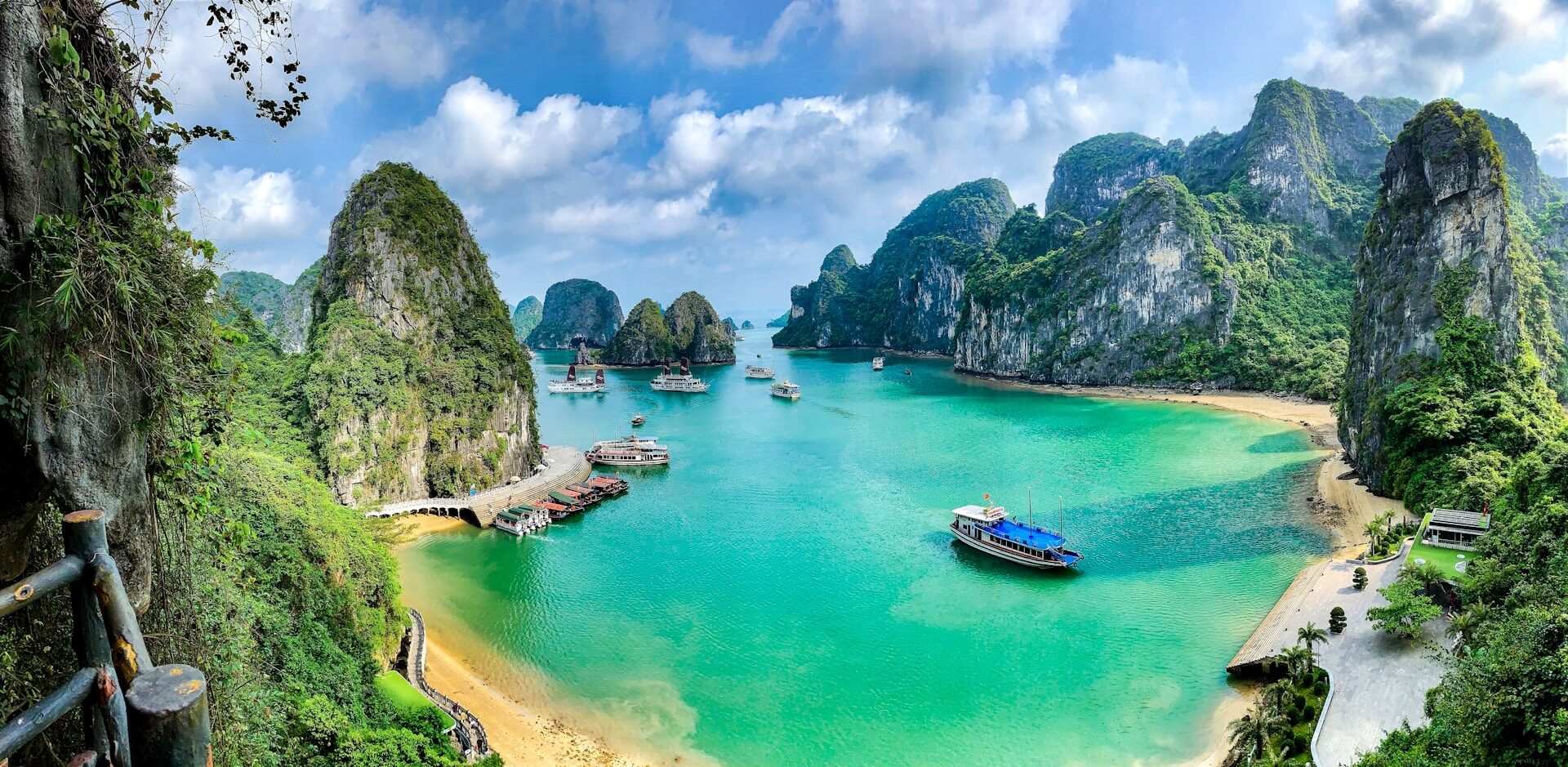
Every solid plan for how to plan a trip to Vietnam starts with the calendar, not the map. The country is long and thin, stretching over 1,600 kilometers north to south, so “the weather in Vietnam” isn’t one answer. For a fuller breakdown, check out our Best Time to Visit Vietnam guide, but here’s the short version:
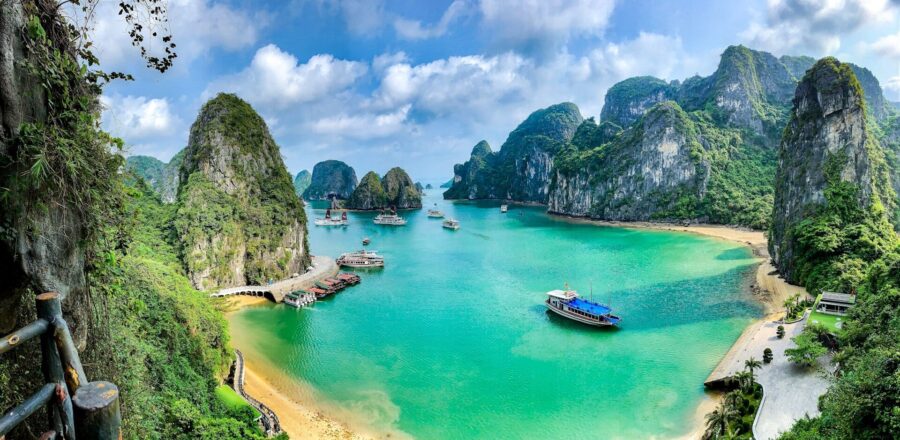
- North (Hanoi, Sapa, Ha Long Bay): Cool and dry from October to December, cold and misty January to March, hot and humid May to August.
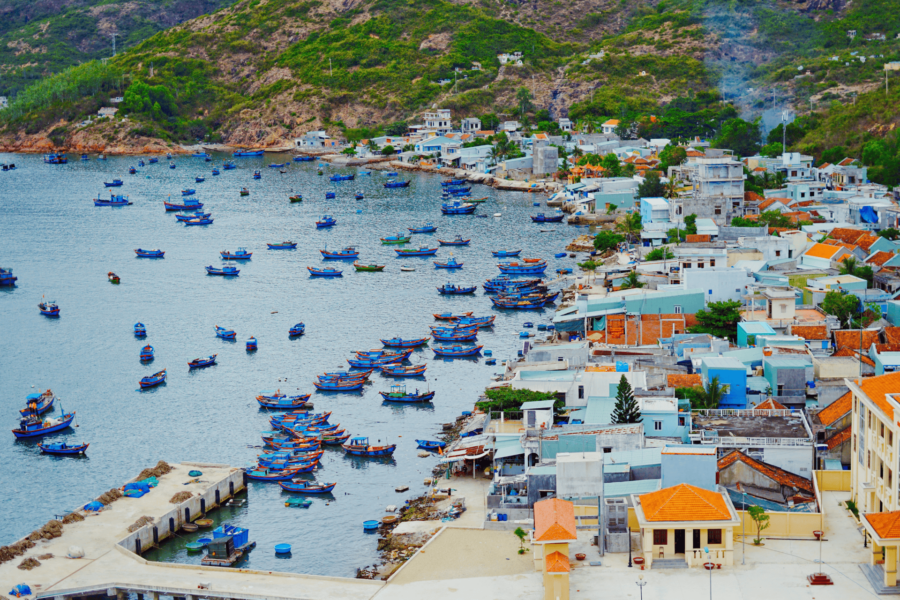
- Central (Hue, Hoi An, Da Nang): Best February to July, typhoon season runs September to November.
- South (Ho Chi Minh City, Mekong Delta): Dry season November to April, rainy season May to October (though rain here usually means a heavy hour-long downpour, not a washed-out day).
If your trip touches all three regions, and many first-timers try to, February and March are usually the sweet spot: the north has cleared its winter fog, the center hasn’t hit typhoon season, and the south is dry. This is the first thing I tell friends, because no amount of good planning fixes a trip booked into a typhoon.
Step 2: Set a Realistic Budget First, Then Build Around It
This is where I see people go wrong the most when they try to figure out how to plan a trip. They build it around a wish list of destinations, then get sticker shock halfway through when the math doesn’t work. Flip that order. Decide your daily budget first.
Here’s roughly what different travel styles cost per day in Vietnam, based on what I’ve seen friends actually spend, not the lowball numbers you find on backpacker forums:
| Travel Style | Accommodation | Food | Local Transport | Daily Total (approx.) |
| Backpacker | $8–15 (dorm/guesthouse) | $8–12 (street food, local eats) | $3–5 (bus, motorbike rental) | $20–35 |
| Mid-range | $30–60 (3-star hotel) | $15–25 (mix of local + café) | $8–15 (Grab, private car for day trips) | $55–100 |
| Comfort | $80–150+ (boutique/4-star) | $30–50 (restaurants, some fine dining) | $20–40 (private driver, tours) | $130–240 |
Once you know your daily number, multiply it by your trip length, add flights, and you’ve got a real budget instead of a hopeful guess. This is the single most useful shortcut I give people who ask me how to plan a trip without blowing their savings in the first week.
Step 3: Choose Your Route – Don’t Try to See Everything
I understand the instinct. You’ve flown 15+ hours to get here, so why not see Hanoi, Ha Long Bay, Hue, Hoi An, Da Nang, and Ho Chi Minh City in ten days? Because you’ll spend more time on buses and in airports than actually experiencing any one place, that’s why.
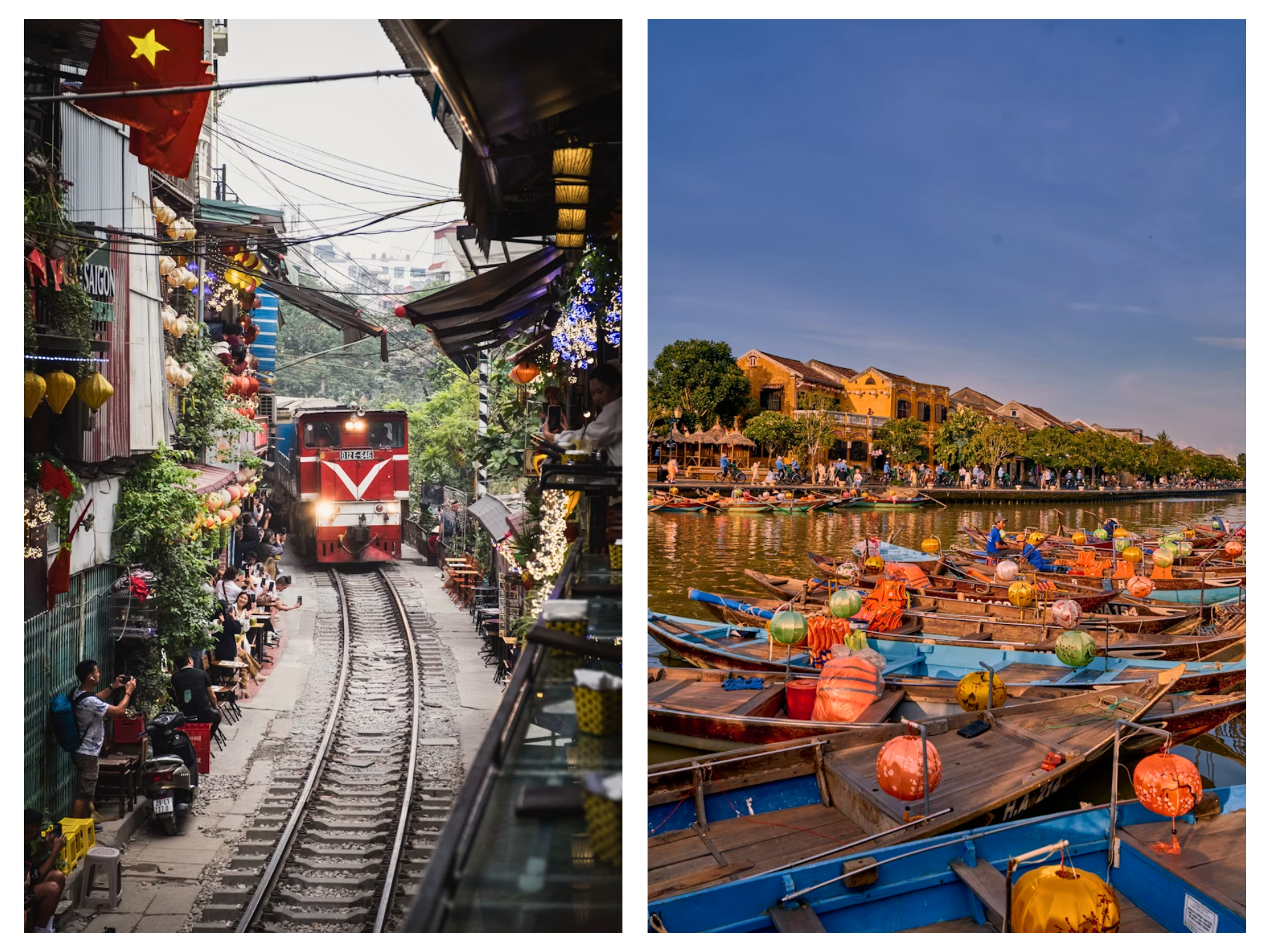
When friends ask me to help them plan a trip, or more specifically how to plan a trip that doesn’t feel rushed, I usually push back on the itinerary length before we talk about anything else. A rough rule I use:
- 7 days or less: Pick one region. Hanoi plus Ha Long Bay, or Hoi An plus Hue, works well.
- 10–14 days: North to south is doable if you fly between regions instead of taking overnight trains for everything.
- 3 weeks or more: Now you can slow down, add the Mekong Delta, maybe a few days in Sapa or Phong Nha, and actually breathe between stops.
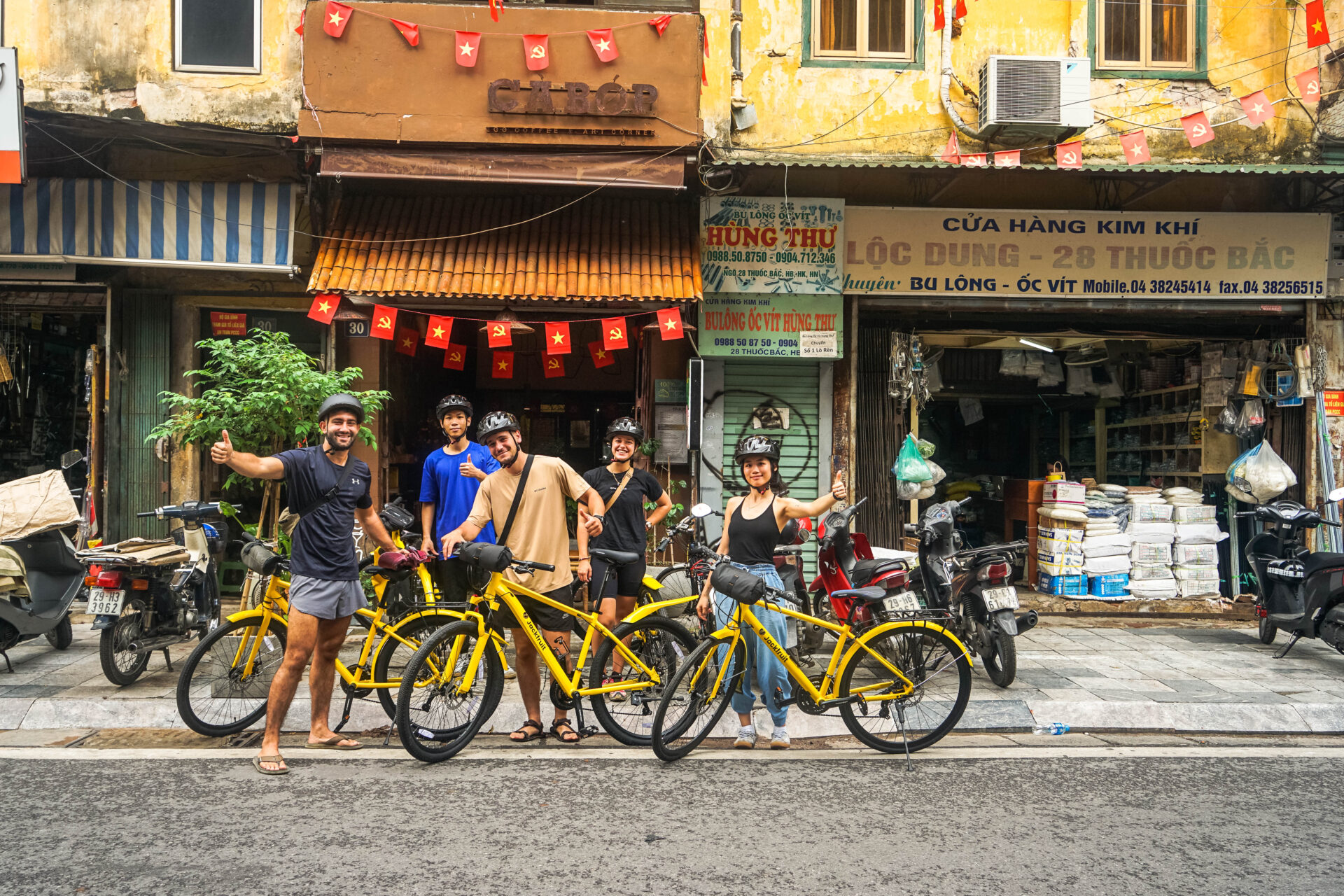
The mistake I see most often when people plan a trip on their own, without asking a local how to plan a trip properly, is treating Vietnam like a checklist instead of a place. Two unhurried days cycling around Hanoi’s Old Quarter and West Lake will stay with you longer than six rushed cities.
Step 4: Sort Out Visas, Insurance, and Documents Early
Nothing derails a trip faster than paperwork you forgot to check, and this is the step people skip most often when they rush how to plan a trip in a hurry. Vietnam offers e-visa access to citizens of many countries, valid for up to 90 days, and you apply online before you fly. I’ve seen friends get turned away at check-in because they assumed visa-on-arrival still worked the way it did years ago, policies change, so always check the current requirement for your passport on Vietnam’s official immigration site rather than trusting an old blog post, including this one.
A few other things I bring up during the “how to plan a trip to Vietnam” conversation:
- Make sure your passport has at least six months of validity left.
- Get travel insurance that covers motorbike or bicycle accidents specifically, many standard policies exclude two-wheeled transport, which matters if you’re planning any cycling.
- Keep digital copies of your passport, visa approval letter, and insurance policy in your email, not just your phone.
Step 5: Book the Big Things, Leave the Rest Loose
Here’s the part that surprises people: I don’t tell friends to book every single day in advance. This is a core part of how to plan a trip well: when you plan a trip too tightly, you lose the ability to stay an extra night somewhere that surprises you, or to skip a town that isn’t clicking.
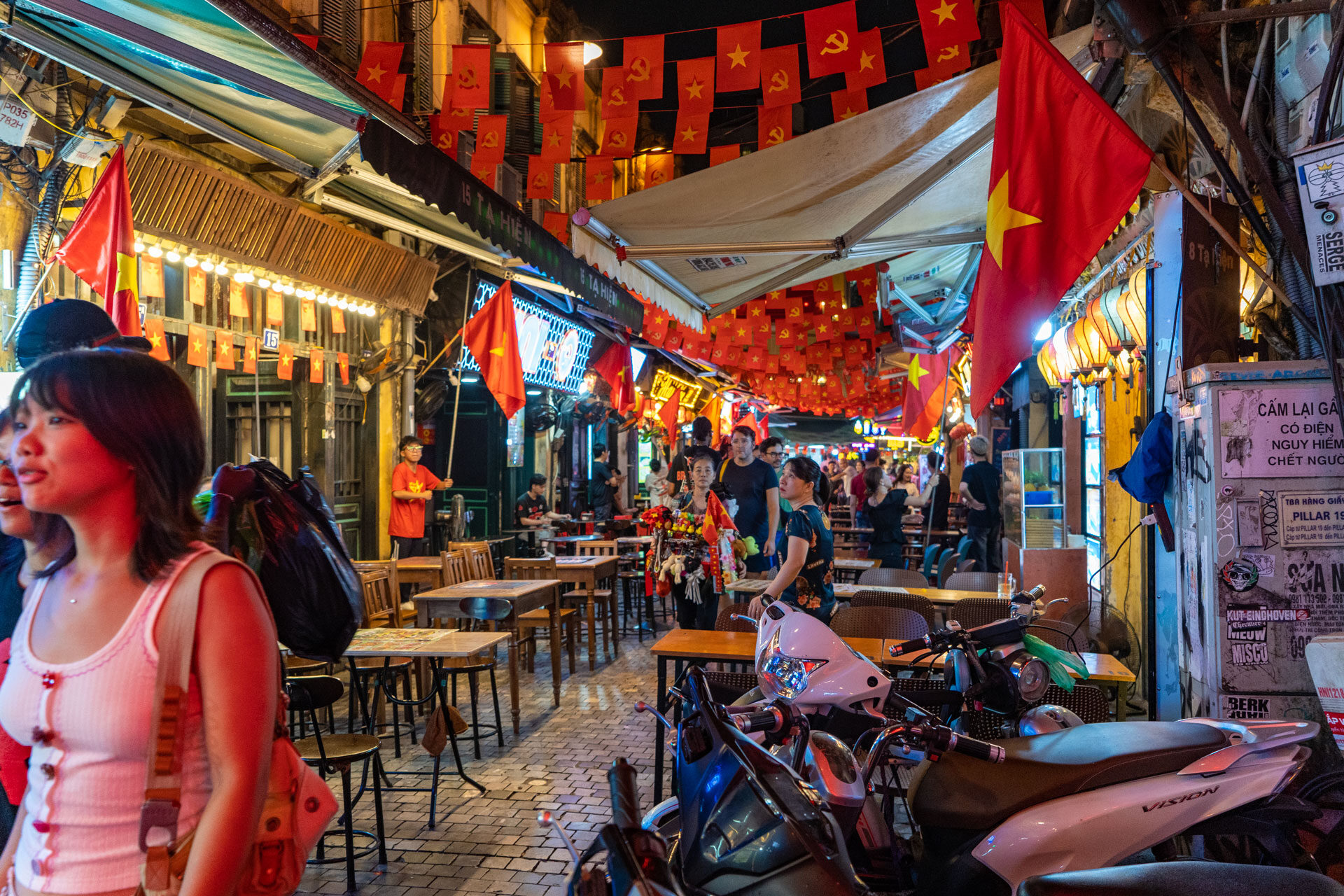
What I do recommend locking in ahead of time:
- Flights (international and any domestic legs), since prices climb fast closer to departure.
- Accommodation for your first two nights, so you’re not hunting for a room jet-lagged at midnight.
- Any activity with limited daily capacity – a specific cycling route with a small group size, a cooking class, a boat trip on Ha Long Bay.
Everything else – which street food stall to try, which afternoon to spend at the lake, whether to add a day in Ninh Binh – can wait until you’re actually here and can feel the rhythm of the place.
Common Mistakes People Make When They Plan a Trip to Vietnam
- Overpacking the itinerary. More cities doesn’t mean a better trip, it usually means more exhaustion.
- Booking every meal and activity in advance. Some of the best meals I’ve had happened because I wandered into a place that wasn’t on any list.
- Ignoring regional weather differences. Vietnam has three climates in one country, check the region, not just “Vietnam”
- Skipping travel insurance to save money. It’s the one item nobody regrets buying and everybody regrets skipping.
- Assuming Google Maps travel times are accurate for rural roads. Add 30–50% buffer time outside major cities.
How Jackfruit Adventure Fits Into Your Plan
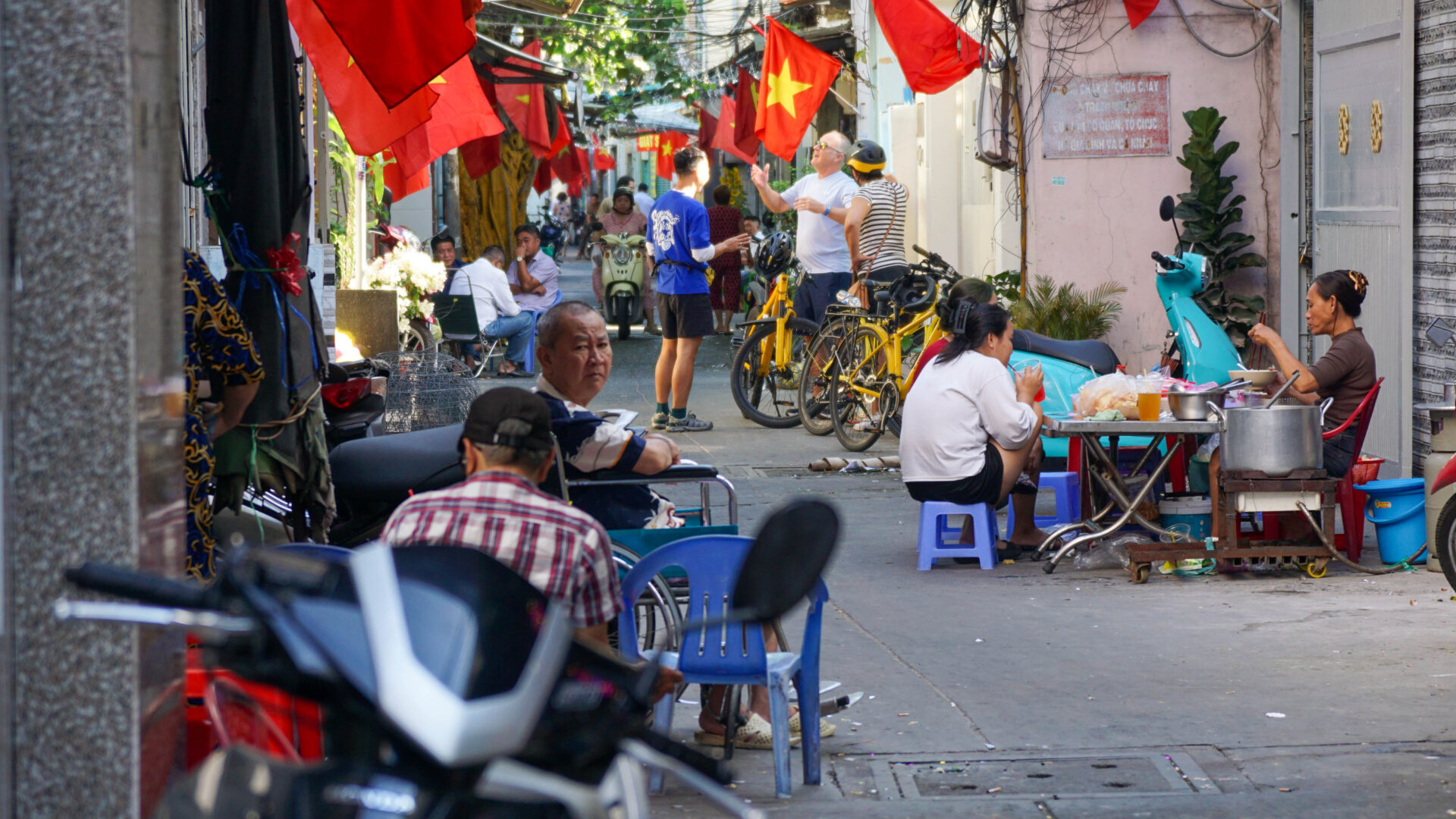
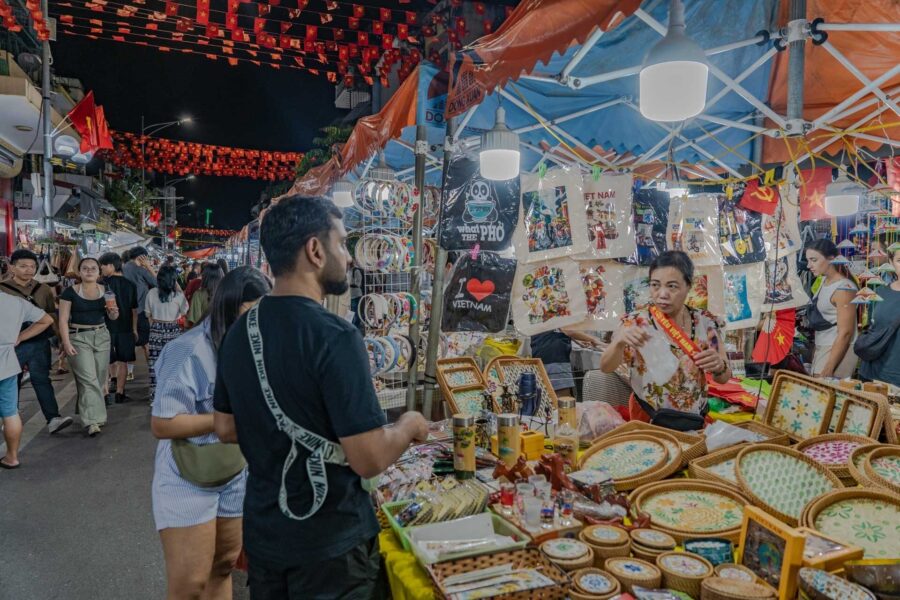
Part of how I plan a trip for visiting friends is building in at least one day where someone local does the navigating. I usually point people to 2-Hour Hidden Saigon by Night: District 4 Alleyways & Street Food, a relaxed ride through District 4’s narrow alleys, local shrines, and the bustling Xóm Chiếu Market – a side of Saigon most visitors never see.
“My husband and I went on the Saigon Foodie Night Ride with our tour guide Quang and had a blast! We left feeling very full and with new tidbits of information. I was a little scared of the road at first but Quang really helped guide and usher us through the streets of HCMC. I’m also really glad that we went to different parts and shops that we wouldn’t have otherwise. Overall very fun! If we ever come back to Saigon we’d like to try the Mekong Countryside experience.” – Rio Escueta
If the route includes Hanoi, Ride to the Lost Kingdom: Cycle Hanoi to Ancient Cổ Loa is a great full-day option, a 35km ride past rice paddies and village backstreets to the 2,000-year-old Cổ Loa Citadel. Slotting one guided ride into an otherwise loose itinerary is, in my experience, the easiest way to get local context without giving up the flexibility that makes independent travel here so good.
FAQs: How to Plan a Trip to Vietnam
Wrapping It Up
If you take one thing from this guide on how to plan a trip to Vietnam, let it be this: decide your season, set your budget honestly, choose fewer places over more, handle your paperwork early, and then leave room for the trip to surprise you. That’s the actual formula, not a 20-tab spreadsheet. I’ve watched it work for backpackers, families, and retirees alike, and it’s the same advice I’d give a friend calling me the night before they book their flight.
Ready to build a local ride into your Vietnam itinerary? 👉 Book your Vietnam cycling tour with Jackfruit Adventure today.